
What Is a Smartphone?
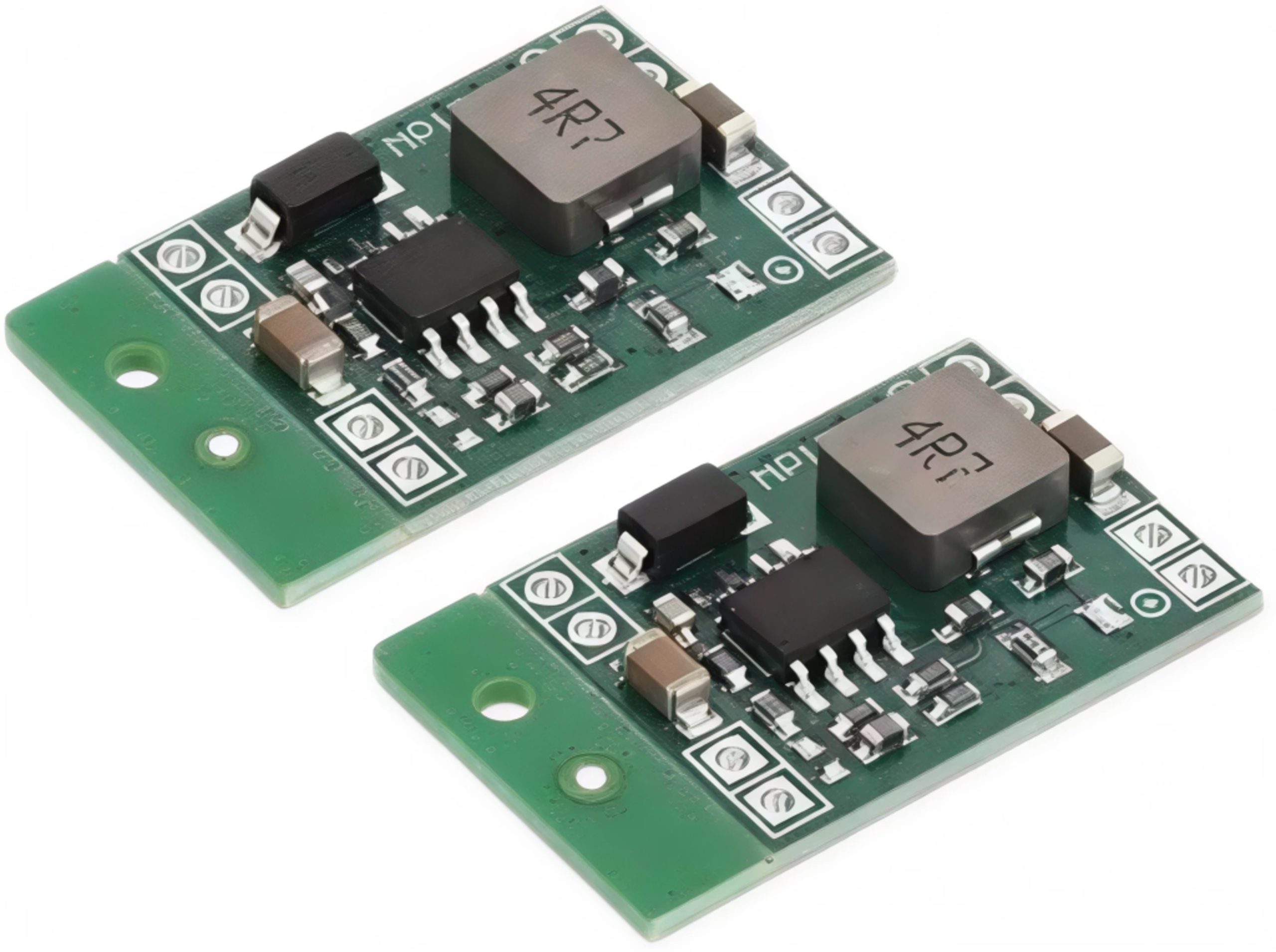
12V 1A SMPS Power Supply Adapter – Reliable & Efficient Power Solution for Electronics Projects
Meta Title
12V 1A SMPS Power Supply Adapter for Arduino, CCTV & IoT Projects
Meta Description
Buy 12V 1A SMPS Power Supply Adapter with stable regulated output. Ideal for Arduino, ESP, CCTV, LED strips, routers & IoT projects.
Overview
A reliable power source is the backbone of any electronics project, and the 12V 1A SMPS Power Supply Adapter delivers exactly that. Designed to provide a stable and regulated 12V DC output, this adapter is ideal for powering Arduino boards, ESP modules, CCTV cameras, LED strips, routers, and a wide range of DIY electronics and automation projects.
Unlike traditional bulky transformer-based adapters, this adapter uses Switched-Mode Power Supply (SMPS) technology, which ensures higher efficiency, lower heat generation, and longer operational life. Whether you’re a student, hobbyist, or professional electronics engineer, this adapter guarantees consistent performance without voltage fluctuations.
With support for 100–265V AC input, it works flawlessly across Indian and international power standards, making it a dependable choice for labs, homes, and industrial setups.
Applications of 12V 1A SMPS Power Supply Adapter
This adapter is widely used in:
Arduino Uno, Mega, Nano development boards
ESP32, ESP8266, NodeMCU modules
CCTV cameras and DVR/NVR systems
LED strip lights and RGB controllers
Wi-Fi routers and broadband modems
IoT automation devices and sensors
Relay modules and home automation circuits
Robotics and embedded electronics projects
It is especially suitable for low to medium current devices requiring clean and stable DC power.
Key Features
Stable regulated 12V DC output (1A max)
Wide AC input range: 100–265V
High-efficiency SMPS architecture
Built-in Over-Voltage (OVP), Over-Current (OCP) & Short-Circuit Protection (SCP)
Compact, lightweight & portable design
Low heat generation for long-term use
Supports 24×7 continuous operation
Ideal for Arduino, IoT, CCTV & LED applications
Technical Specifications
| Specification | Details |
|---|---|
| Input Voltage | 100–265V AC |
| Output Voltage | 12V DC |
| Output Current | 1A |
| Frequency | 50–60Hz |
| Cable Length | ~1.1 meters |
| Protection | OVP, OCP, SCP |
| Usage | Continuous 24×7 |
| Applications | Arduino, LED, CCTV, IoT |
Compatibility
The 12V 1A SMPS Adapter works perfectly with:
Arduino Uno / Nano / Mega
ESP32, ESP8266, NodeMCU
Relay boards and automation modules
CCTV and surveillance cameras
Routers, modems & networking devices
Sensors, IoT modules & embedded systems
Frequently Asked Questions (FAQs)
Q1: Can I use this adapter for Arduino or ESP boards?
Yes, it provides a clean and regulated 12V supply suitable for Arduino and ESP-based projects.
Q2: Is it safe for LED strips and CCTV cameras?
Absolutely. The regulated output prevents flickering and protects sensitive electronics.
Q3: Can it run continuously 24/7?
Yes, it is designed for long-term continuous operation with built-in safety protections.
Q4: Does it heat up during use?
No, SMPS technology ensures efficient operation with minimal heat.
Why Choose This 12V 1A SMPS Adapter?
Cheap unregulated adapters often cause voltage drops, overheating, and device failure. This 12V 1A SMPS Power Supply Adapter delivers a stable and protected power output, ensuring longer device life, safer operation, and consistent performance.
It is a trusted power solution for students, makers, robotics learners, and electronics professionals alike.
Conclusion
The 12V 1A SMPS Power Supply Adapter is an essential accessory for electronics, automation, and IoT projects. With its stable output, wide compatibility, compact design, and built-in protections, it offers reliable and safe power delivery for Arduino boards, CCTV systems, LED lighting, routers, and DIY electronics.
If you’re looking for an affordable, efficient, and dependable 12V power solution, this adapter is the perfect choice for your projects on qalbagy.in.
Internal Linking Suggestions (for your site)
Power Supplies
Arduino Boards & Programmers
Sensors & Modules
Electronic Components
Understanding the Smartphone
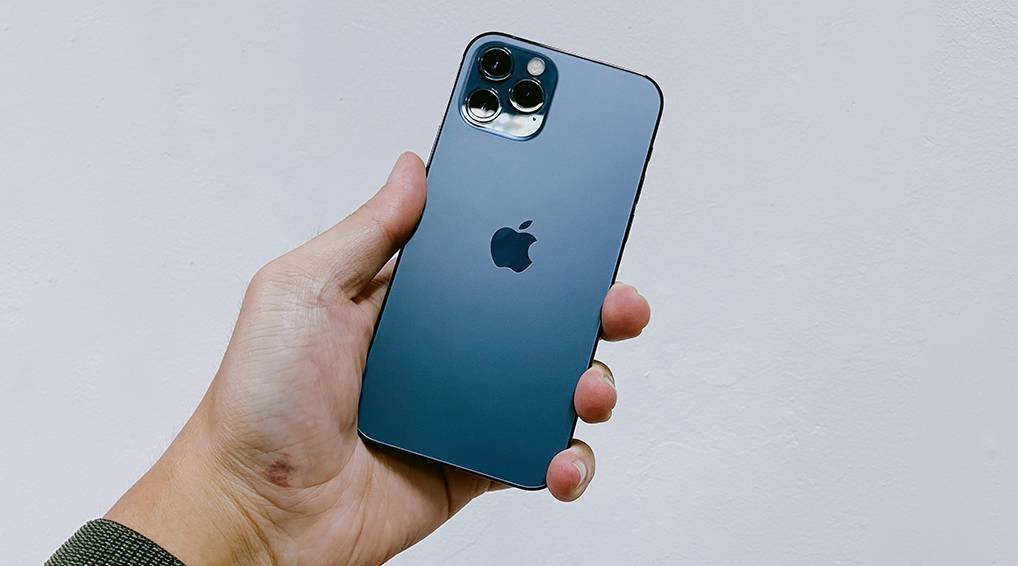
The world’s first smartphone was created by IBM in 1994. Nicknamed Simon, the smartphone included revolutionary features including a touchscreen, email, and built-in apps including a calculator and a sketch pad. Cellular phone functionality has continued to improve since then, especially in the years after 2000. By 2007, Apple (AAPL) released its groundbreaking iPhone.2 When iPhone 3G was released in 2008,3 there were more than 3.6 billion mobile connections around the world.4
GSMA Intelligence. “Quarterly World Review: Q2 2008.”
Before the inclusion of internet browsing on mobile phones, network operators relied on the fee structure that they relied on for decades—calling another line cost a certain flat rate and sending a text message cost another flat rate. The introduction of smartphones dramatically altered the telecommunications sector. While cell phones were considered the death knell of land-based phones, smartphones were considered the death knell of the prototypi
It’s estimated that more than 5 billion people have mobile devices, which represents approximately 94% of the population of advanced economies and 83% of emerging economies, according to Pew Research Center
Changes in the Cost of Smartphones
Impact on Social Media
The popularity of smartphones has also created business opportunities outside of the development of operating systems and the construction of device hardware. The creation of smartphone software applications, or apps, has become a multibillion-dollar industry.11
Apps are downloaded to a smartphone via a store, which is controlled by the company that has created the operating system that the smartphone uses. In many cases, apps are free to download, but in some cases, there is a fee. Application developers may include advertisements in the app content once opened or may sell products through the app.
One of the major beneficiaries of the rise in smartphone adoption has been social networks, such as Meta (META), formerly Facebook. Being able to log into a social network account from a smartphone has increased the number of hours that people spend on the network, which has dramatically increased network revenue. The behavior of smartphone users has, in some cases, been the driving factor in the changes to social networks that were once dominated by people using their personal computers for access.
Phasellus vitae imperdiet felis. Nam non condimentum erat. Lorem ipsum dolor sit amet, consectetur adipiscing elit. Nulla tortor arcu, consectetur eleifend commodo at, consectetur eu justo.
Lorem ipsum dolor sit amet, consectetur adipiscing elit. Nulla tortor arcu, consectetur eleifend commodo at, consectetur eu justo.
Lorem ipsum dolor sit amet, consectetur adipiscing elit. Nulla tortor arcu, consectetur eleifend commodo at, consectetur eu justo.
Phasellus vitae imperdiet felis. Nam non condimentum erat. Lorem ipsum dolor sit amet, consectetur adipiscing elit. Nulla tortor arcu, consectetur eleifend commodo at, consectetur eu justo.